Why Pickleball?
Because it meets The 6 Human Needs
The fastest-growing sport in America isn’t just a sport.
It’s connection, competition, growth, and community—all in one game.
At Kaizen Pickleball Club, we believe pickleball is more than recreation.
It’s continuous improvement in action.
(Kaizen = constant improvement.)
The Pickleball Explosion
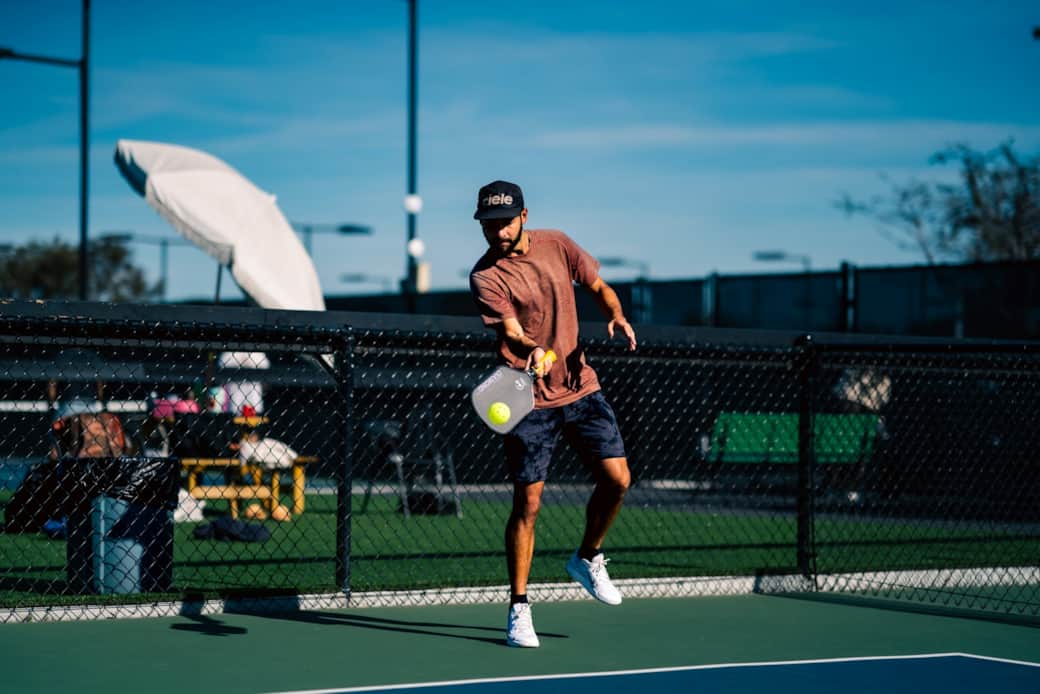
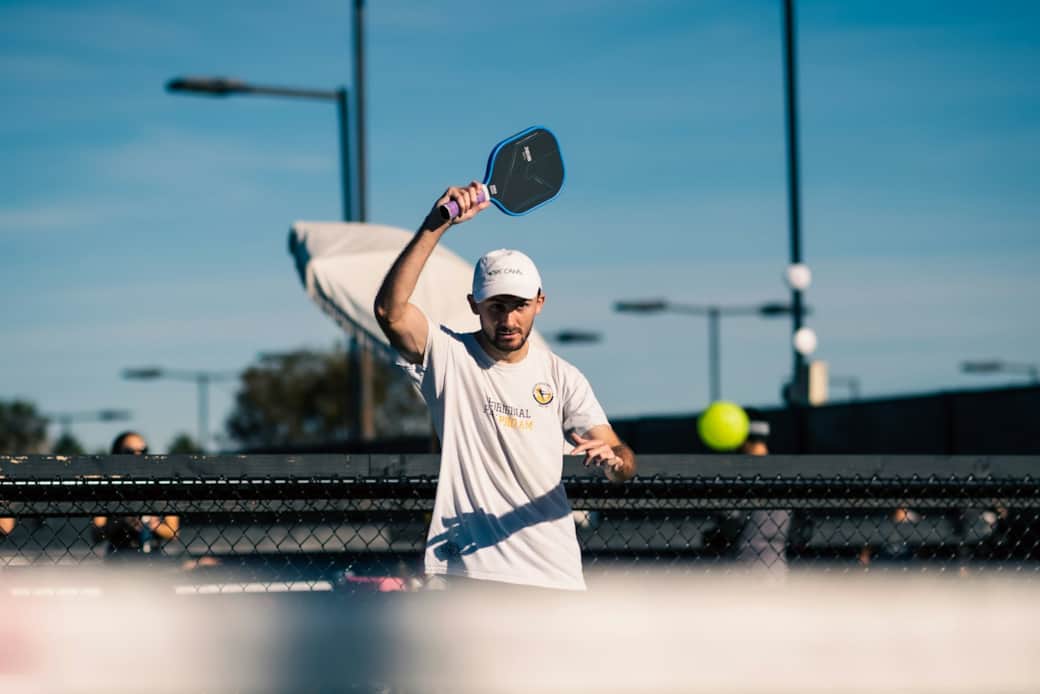
Pickleball is the fastest-growing sport in America.
And it’s not even close.
The numbers are staggering:
- 24 million Americans played pickleball in 2025. That is 1 of every 14 people in the US!
- Participation has grown over 300% in just three years
- Over 68,000 courts now exist nationwide
- New courts are being built faster than cities can keep up
But statistics don’t explain everything.
The real question is:
Why is pickleball so addictive?
Why do people who try it once suddenly start playing three… four… even five times per week?
The answer lies in something deeper.
Human psychology.
The Hidden Psychology Behind Pickleball
Most sports satisfy one or two human desires.
Pickleball satisfies all six core human needs identified by peak performance strategist Tony Robbins.
These needs drive every human behavior.
When an activity meets the majority of them and for some, ALL OF THEM…
It becomes irresistible.
The 6 Human Needs — And Why Pickleball Delivers Them
Certainty
People need stability and confidence.
Pickleball is easy to learn.
Within minutes, beginners can rally and feel successful.
That instant competence builds confidence immediately.
People are certain they will have fun.
Variety
Humans crave novelty and excitement.
Every point in pickleball is different.
Fast volleys.
Soft dinks.
Strategic resets.
Explosive hands battles.
The game never feels repetitive.
Significance
We all want to feel like we matter.
Pickleball creates constant improvement.
Players quickly move from beginner to intermediate to advanced.
Each step builds pride and identity.
Love & Connection
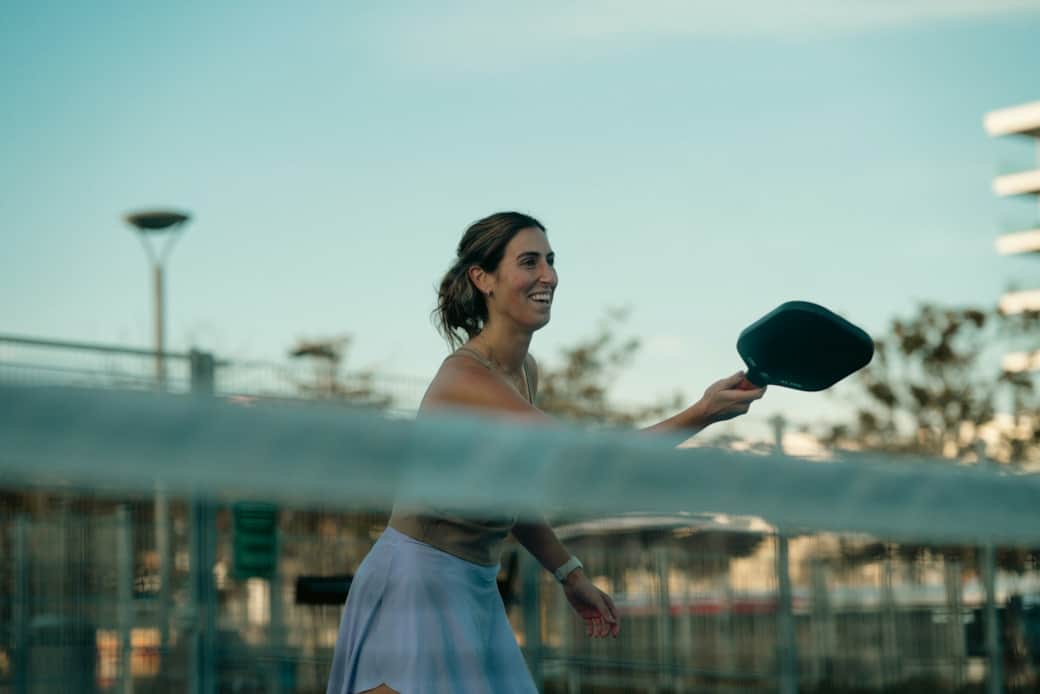
This is the most social sport in the world.
Four players.
Small court.
Constant laughter.
Strangers become friends in one game.
Many players say pickleball transformed their social life.
Growth
Human beings must grow or they feel stuck.
Pickleball offers endless improvement:
- Strategy
- Footwork
- Mental toughness
- Shot selection
Micro-wins – see below.
The better you get, the more fascinating the game becomes.
Contribution
The deepest human need is helping others.
Pickleball communities are known for welcoming beginners.
Experienced players teach newcomers.
Clubs host charity events.
The culture is built around lifting each other up.
The Power of Micro-Wins
One of the hidden reasons pickleball is so addictive is something neuroscientists call micro-wins.
A micro-win is a small moment of success that happens frequently and quickly.
In pickleball, these happen constantly.
- A clean winner down the line
- A perfect drop shot into the kitchen
- A fast volley battle you win at the net
- A smart dink that forces your opponent into an error
- A perfectly placed serve return
Every time this happens, your brain experiences a reward signal.
And that signal changes your nervous system.
What Happens in the Brain
When you hit a great shot, your brain releases dopamine, the neurotransmitter associated with motivation, learning, and pleasure.
Dopamine does three powerful things:
1. Reinforces Learning
Your brain records the action that led to success.
It says:
“That worked. Do that again.”
This is how skill improves so quickly.
2. Creates Motivation
Dopamine doesn’t just reward success.
It makes you want to repeat the behavior.
This is why many people say:
“I played once… and suddenly I wanted to play every day.”
Your brain is literally training itself to crave the experience again.
3. Activates the Nervous System Reward Loop
The human nervous system loves progress signals.
Small improvements tell the brain:
“I’m getting better.”
Pickleball produces these signals constantly.
In a typical game you might experience:
- 10–20 satisfying rallies
- 5–10 winning shots
- multiple tactical victories
That’s dozens of micro-wins in less than an hour.
Most sports simply don’t produce that many feedback loops.
Why Pickleball Is Different From Other Sports
Many sports delay gratification.
Golf: one good shot every few holes.
Tennis: beginners struggle to sustain rallies.
Basketball: scoring opportunities are limited.
Pickleball is different.
The smaller court and slower ball create frequent success moments, even for beginners.
Players experience improvement immediately.
That rapid reward cycle is incredibly powerful for the brain.
The Nervous System Effect
Micro-wins don’t just affect your brain.
They also affect your autonomic nervous system.
Pickleball alternates between:
Excitement (sympathetic nervous system)
Fast rallies, competition, adrenaline.
and Recovery (parasympathetic nervous system)
Short pauses between points, laughter, conversation.
This creates a healthy rhythm of stress and recovery.
Your nervous system stays energized without becoming overwhelmed.
This is one reason people leave the court feeling:
- energized
- happy
- mentally refreshed
instead of exhausted or drained.
Impact: Real Stories of Transformation
Pickleball isn’t just exercise.
For many people, it becomes a turning point.
Andre Agassi — Rediscovering Joy
Tennis legend Andre Agassi retired after one of the greatest careers in tennis history.
He thought his competitive days were over.
Then he discovered pickleball.
What drew him in wasn’t just the sport.
It was the joy, strategy, and social energy surrounding it.
Today Agassi actively promotes pickleball and competes in events.
The game gave him something powerful:
The joy of competition without the pressure of tennis.
The Retiree Who Found Purpose Again
After retirement, many people lose structure and community.
One former CEO said:
“Pickleball gave me a reason to wake up excited again.”
He now plays five days per week.
His social circle has doubled.
The Cancer Survivor Who Reclaimed Strength
After chemotherapy, a woman struggled to exercise again.
Pickleball was the perfect entry point.
The smaller court allowed gradual movement.
Within months she was competing again.
The Couple Who Found Their Spark
One married couple began playing pickleball casually.
Soon they were playing every week.
Then traveling to tournaments.
The sport became their shared passion.
The Newcomer Who Found Instant Community
Moving to a new city can be lonely.
But pickleball courts are welcoming.
Many players say:
“I showed up alone… and left with ten new friends.”
Every game teaches you something.
Every opponent helps you grow.
Every point is a chance to improve.
Physically.
Mentally.
Socially.
AND THAT IS WHY YOU (and I) ARE ADDICTED TO PICKLEBALL!